

 Show Posts
1
General Discussion / Leaseback (or Sale-Leaseback): Definition, Benefits, And Examples (2025 )
« on: January 11, 2026, 04:53:37 PM »What Is a Leaseback?
A leaseback is an arrangement in which the business that sells a property can lease back that very same possession from the buyer. With a leaseback-also called a sale-leaseback-the details of the arrangement, such as the lease payments and lease duration, are made right away after the sale of the property. In a sale-leaseback transaction, the seller of the asset becomes the lessee and the buyer becomes the lessor.
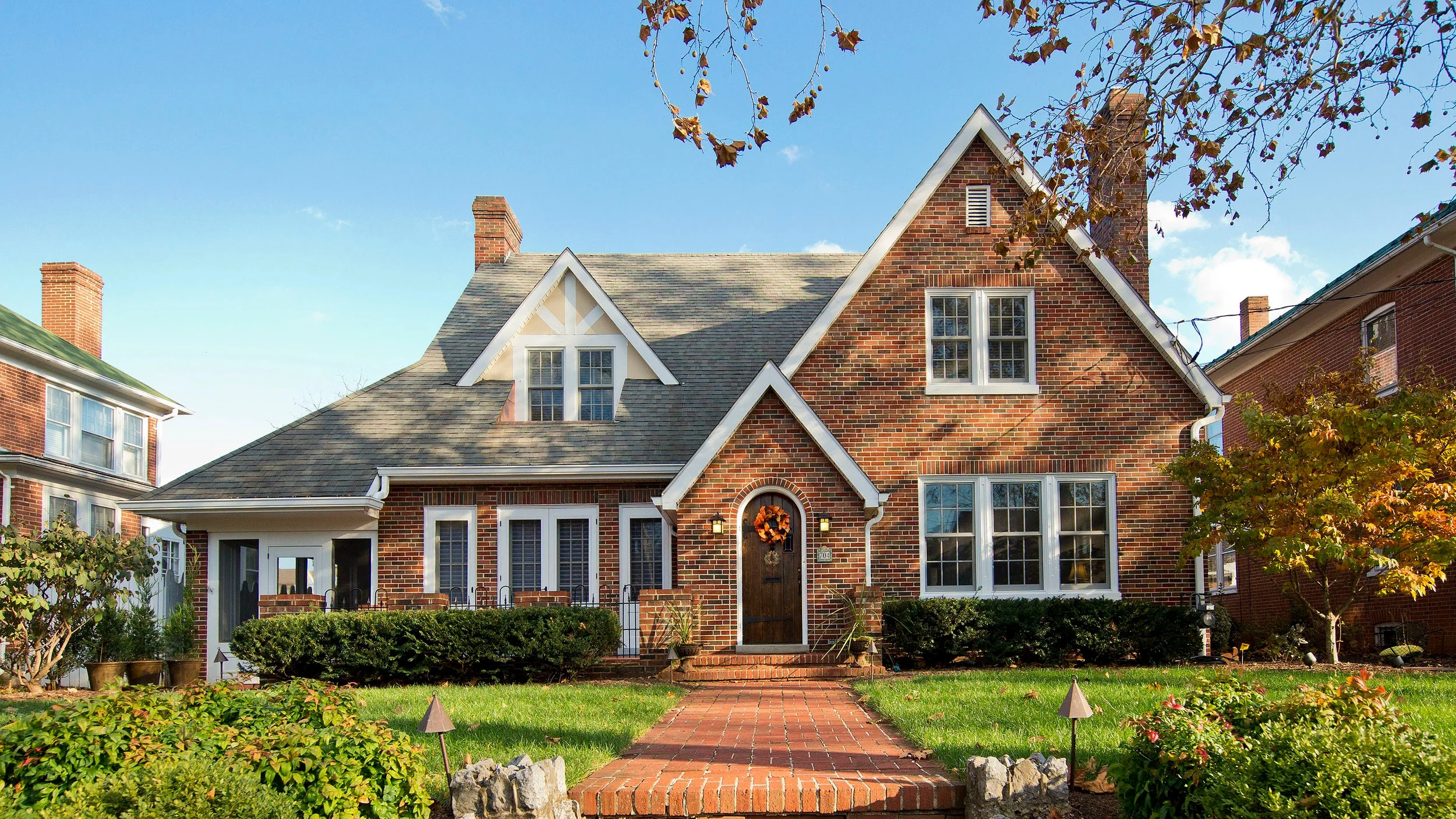
A sale-leaseback allows a business to offer a possession to raise capital, then lets the company lease that property back from the buyer. In this method, a business can get both the money and the possession it requires to run its organization.
Understanding Leasebacks
In sale-leaseback agreements, a possession that is previously owned by the seller is offered to somebody else and after that leased back to the very first owner for a long period of time. In this way, an organization owner can continue to use an essential asset however stops to own it.
Another point of view of a leaseback is like a business variation of a pawnshop transaction. A company goes to the pawnshop with an important asset and exchanges it for a fresh infusion of money. The distinction would be that there is no expectation that the company would redeem the asset.
Who Uses Leasebacks and Why?
The most common users of sale-leasebacks are builders or companies with high-cost fixed assets-like residential or commercial property, land, or large expensive devices. As such, leasebacks prevail in the structure and transportation industries, and the real estate and aerospace sectors.
Companies utilize leasebacks when they require to utilize the cash they invested in a possession for other functions but they still require the possession itself to operate their service. Sale-leasebacks can be appealing as alternative methods of raising capital. When a company needs to raise cash, it normally takes out a loan (sustaining financial obligation) or results an equity funding (issuing stock).
A loan needs to be repaid and shows up on the business's balance sheet as a financial obligation. A leaseback transaction can really help enhance a business's balance sheet health: The liability on the balance sheet will decrease (by preventing more financial obligation), and current properties will show a boost (in the type of money and the lease arrangement). Although equity does not need to be repaid, shareholders have a claim on a company's revenues based on their portion of its stock.
A sale-leaseback is neither financial obligation nor equity funding. It is more like a hybrid debt item. With a leaseback, a company does not increase its debt load however rather gets to needed capital through the sale of properties.

There are numerous examples of sale-leasebacks in corporate finance. However, a classic easy-to-understand example depends on the safe deposit vaults that business banks give us to store our prized possessions. At the outset, a bank owns all of the physical vaults in its basements. The bank offers the vaults to a renting company at market cost, which is considerably greater than the book value. Subsequently, the leasing company will provide back these vaults to the same banks to rent on a long-lasting basis. The banks, in turn, sub-lease these vaults to us, its clients.
More Benefits of Leasebacks
Sale-leaseback deals might be structured in various methods that can benefit both the seller/lessee and the buyer/lessor. However, all celebrations need to think about the service and tax ramifications, along with the risks involved in this kind of plan.
Potential Benefits to Seller/Lessee ...
- Can provide additional tax deductions
- Enables a business to expand its business
- Can help to enhance the balance sheet
- Limits volatility dangers of owning the asset
Potential Benefits to Buyer/Lessor ...
- Guaranteed lease
- A fair return on financial investment (ROI).
- Stable income stream for a defined time.
Key Takeaways

- In a sale-leaseback, a property that is formerly owned by the seller is offered to someone else and after that leased back to the very first owner for a long period.
- In this way, a service owner can continue to use an important possession but does not own it.
- The most typical users of sale-leasebacks are contractors or business with high-cost set properties.
FAQs
Leaseback (or Sale-Leaseback): Definition, Benefits, and Examples? 'In a sale-leaseback, an asset that is previously owned by the seller is offered to somebody else and after that leased back to the first owner for a long period of time. In this way, a company owner can continue to utilize a crucial possession but doesn't own it.
A sale and leaseback is a deal where the owner of an asset sells the possession and after that right away turns around and leases the possession back from the person who acquired it. In the property market, leasebacks prevail.
Sale-leasebacks provide favorably priced, long-lasting capital, and a tool to hedge versus shorter-term market uncertainties such as increasing rates of interest and market volatility. As a kind of alternative financing, the method provides you, the seller, 100% of the property worth versus a bank's lower loan-to-value ratio.
Pros of a leaseback agreement consist of increasing capital, preserving control, and cultivating long-term relationships. Cons of leaseback contracts consist of tax liabilities and loss of benefits such as gratitude forfeit. To decide whether a sale leaseback is best for you, speak with a certified property broker.
Sale-leasebacks allow organizations to release up capital by untying cash in a property while still keeping ownership of their business. These deals have actually been exceptionally successful in current years in freeing up capital purchased genuine estate.
Example of a Leaseback
At the beginning, a bank owns all of the physical vaults in its basements. The bank offers the vaults to a renting business at market value, which is significantly greater than the book worth. Subsequently, the leasing business will provide back these vaults to the same banks to lease on a long-lasting basis.
An example of how the LBS works
Her 2 children have moved out and her other half has handed down. As she has 55 years of lease left on her flat she decides to sell 30 years of her lease and keep the remaining 25. She receives a total of S$ 150,000 from the LBS, including a S$ 10,000 LBS bonus.
Disadvantages of utilizing a sale leaseback
Cause loss of right to get any future gratitude in the fair worth of the possession. Cause a lack of control of the possession at the end of the lease term. Require long-term financial commitments with set payments.
For sellers, the benefits of a sale and leaseback are apparent. If the seller is seeking to purchase another home, this arrangement enables the seller to prevent awkward timing at closing, and to have the funds from the residential or commercial property sale offered to fund a brand-new purchase.
If your sale-leaseback was structured as a capital lease, you might own the devices free and clear at the end of the lease term, with no additional commitments. It's up to you and your financing partner to decide in between these alternatives based upon what makes the most sense for your company at that time.
Why do financiers like sale and leaseback?' Stable Income: Sale leaseback deals offer a stable income stream for financiers. The lease payments are typically long-lasting and set at market rate, which offers a predictable and steady income stream. Diversification: Sale leaseback can provide diversification for genuine estate financiers.
A stopped working sale and leaseback is basically a funding transaction with the seller-lessee as the borrower and the buyer-lessor as the lender. In an unsuccessful sale and leaseback, the seller-lessee does not derecognize the underlying property and continues to diminish the asset as if it was the legal owner.
Typically the gain on the sale of residential or commercial property held for more than a year in a sale-leaseback will be dealt with as gain from the sale of a capital property taxable at long-term capital gains rates, and/or any loss recognized on the sale will be dealt with as a regular loss, so that the loss deduction may be utilized to balance out current ...
A sale and leaseback arrangement is made between two entities where the owner of a property sells said possession to a purchaser. Once the asset is offered, the entity who sold the possession then rents it back from the buyer, for this reason the term "leaseback".
Therefore, they do not need to invest money on leasing or marketing projects to source prospective renters. There are 2 types of selling and leaseback transactions in the market: operational leases and capital leases.
For a sale and leaseback that certifies as a sale, the seller-lessee measures a right-of-use asset occurring from the leaseback as the percentage of the previous carrying amount of the asset that connects to the right of use kept.
A service will draw on an LOC as needed to support existing capital needs. Meanwhile, sale-leasebacks normally involve a set term and a set rate. So, in a common sale-leaseback, your company would get a swelling sum of money at the closing and then pay it back in month-to-month installments over time.
A home sale-leaseback is a deal where the homeowner sells their residential or commercial property to a purchaser but stays in the home as a tenant by leasing it back. This type of contract permits you to take your hard-earned equity out of your home without actually having to leave it.
De 9 meest voorkomende soorten permanenten in information uitgelegd - Dutch Hairshop.
ONTOLO - BEAM Plus Online Exhibition.
NFL Sunday Ticket rates & billing.
Aterolip Plus 79% 30Cpr + 30 Perles.
Coppa Osteria Menu (Updated for 2025).
How To Color Code Microsoft Teams Calendar? FALSE:: ERROR: UNSUPPORTED ENCODING